
Quartz Colors
Quartz floor colors
Double-broadcast Torginol® quartz blends — dense, slip-resistant, and sanitary — for commercial kitchens, garages, and heavy-duty floors.
Quartz flooring broadcasts colored, kiln-dried quartz aggregate into resin to build a thick, dense, exceptionally durable floor with natural slip resistance. Unlike flake, quartz colors are made of hundreds of tiny quartz granules, giving a consistent, natural-stone speckle that stands up to heavy traffic, impact, and thermal shock. It’s the go-to system for commercial kitchens, locker rooms, labs, and demanding garages. Torginol® offers the blends below in warm and cool neutral families.
Not sure whether quartz is right for you? Here’s the quick version: choose flake for a classic, decorative garage floor with bold color and texture; choose quartz when durability, slip resistance, and sanitation matter most, like a commercial kitchen or a hard-working shop; and choose metallic when you want a dramatic, one-of-a-kind statement floor. All three are sealed with the same tough polyaspartic topcoat — the difference is the look and the working surface. If you’re still deciding, we’ll walk you through it, samples in hand, at your free on-site estimate.
Quartz palette
Warm & cool neutral quartz blends
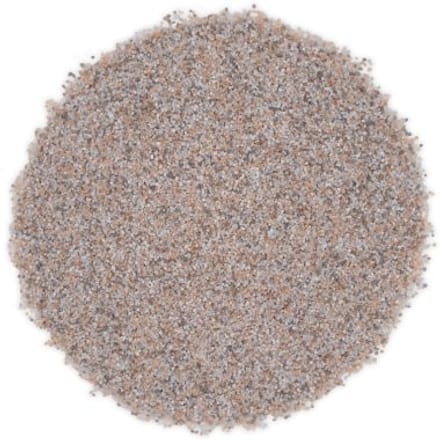
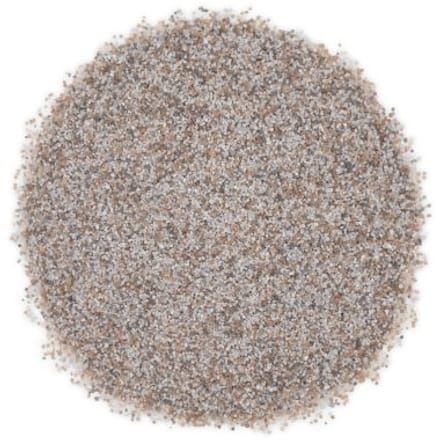
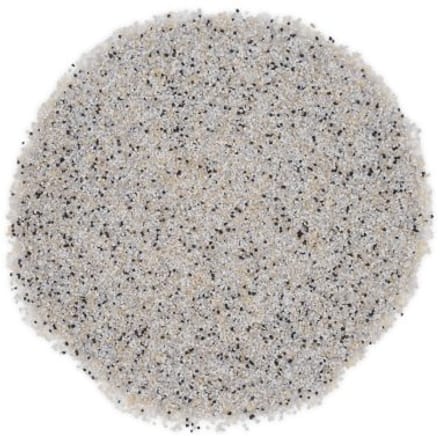
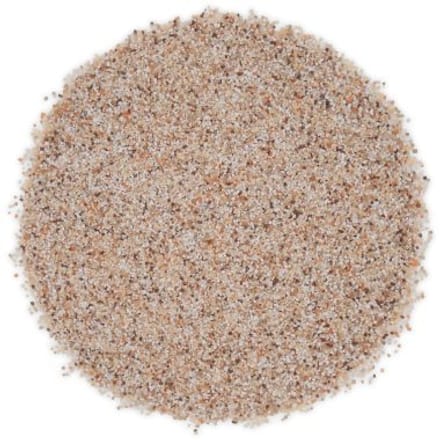
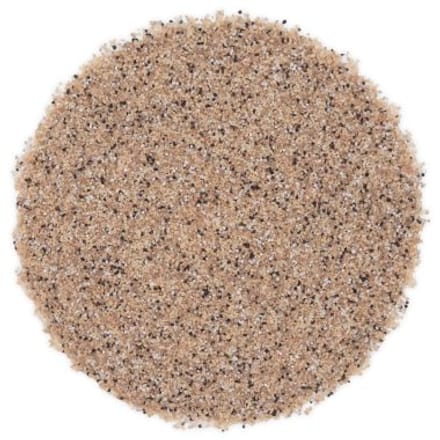
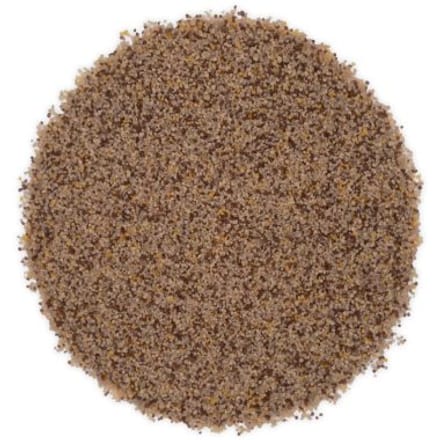
A sampling of our double-broadcast quartz colors — each one dense, sanitary, and slip-resistant.
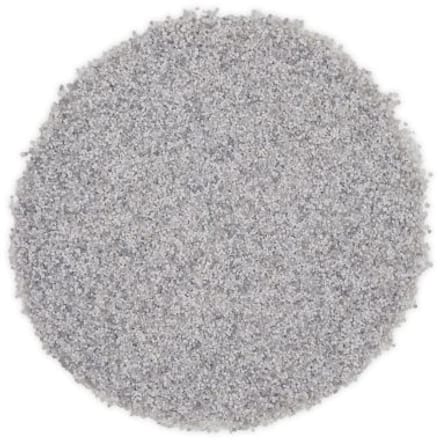
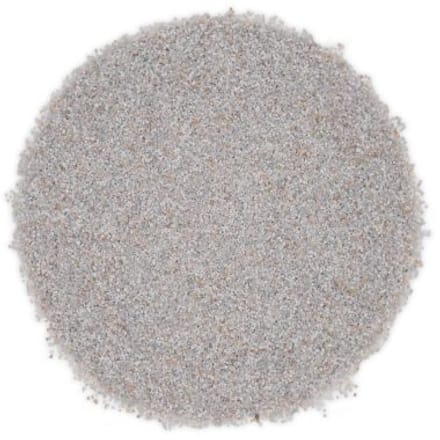
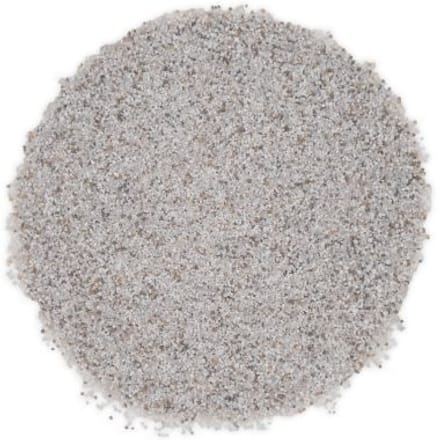
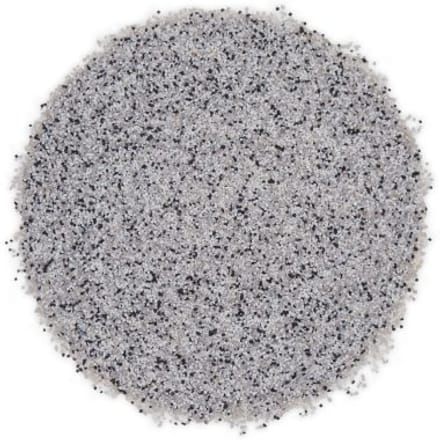
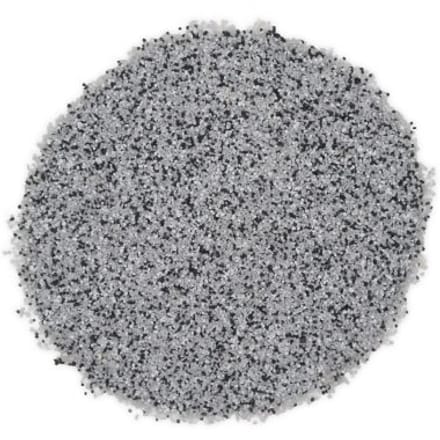
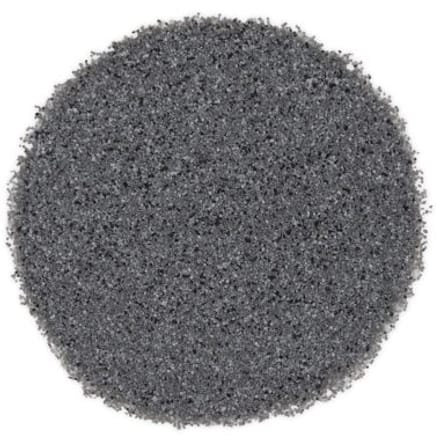
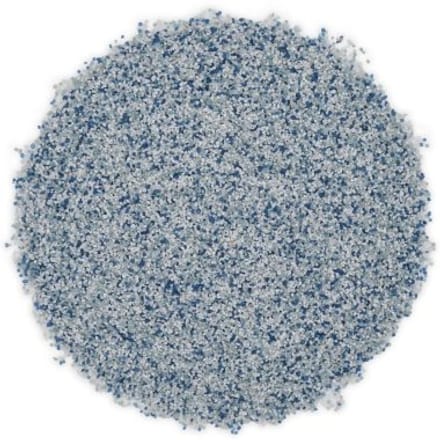
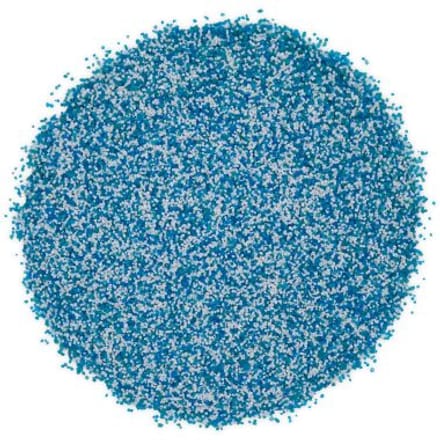
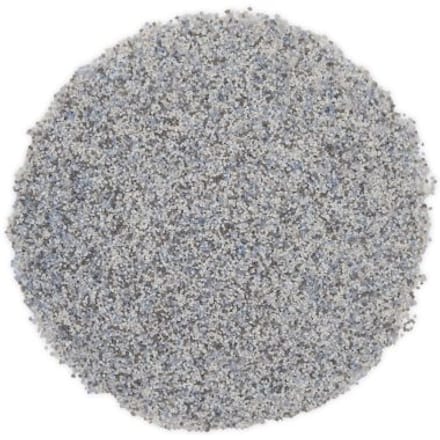
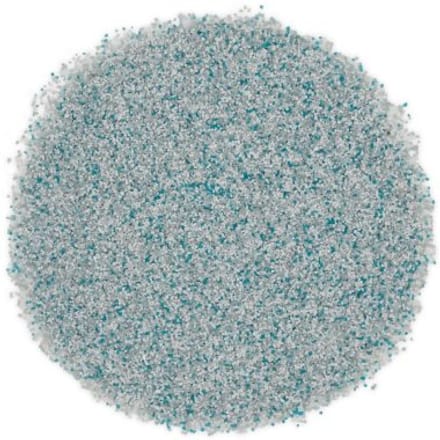
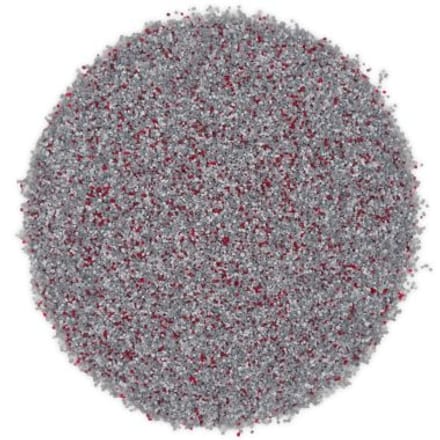
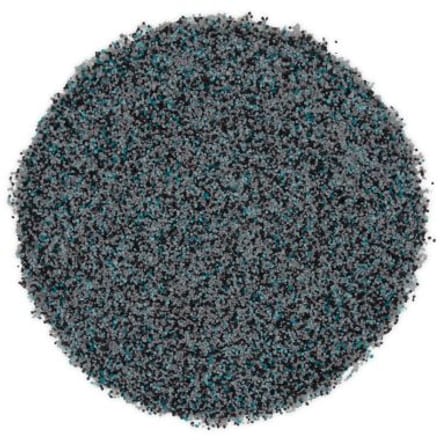
Quartz colors
Why choose a quartz floor?
Slip resistance built in
The quartz aggregate gives a naturally textured, slip-resistant surface — safer when wet, which is why kitchens, entryways, and wash bays rely on it.
Extremely durable
A thick, high-build quartz system shrugs off heavy traffic, dropped tools, and thermal shock from hot washdown far better than a thin coating.
Sanitary & seamless
Non-porous and seamless, a sealed quartz floor sanitizes easily and leaves nowhere for bacteria or odor to hide — ideal for food service and medical spaces.
Colors that hide wear
The multi-tone quartz speckle disguises dirt, scuffs, and traffic far better than a solid color, so a busy commercial floor keeps looking clean between deep cleanings.
Built for washdown
Quartz handles repeated hot-water and chemical washdown without breaking down — the reason it's a staple in commercial kitchens, breweries, and locker rooms.
Long-lasting value
A properly installed quartz floor lasts for years of heavy use, making it one of the most cost-effective flooring choices per year of service for a demanding space.
Quartz color questions
What is the difference between quartz and flake flooring?
Both are decorative resin systems, but they look and perform differently. Flake uses larger vinyl chips for a bold, speckled garage-floor look. Quartz broadcasts fine, kiln-dried quartz granules for a denser, more uniform natural-stone appearance with built-in slip resistance — which is why quartz is the go-to for commercial kitchens, wet areas, and heavy-duty floors.
Is a quartz floor slippery?
No — the opposite. The quartz aggregate creates a naturally textured, slip-resistant surface that keeps its grip even when wet, and we can dial the texture up further for kitchens and wash bays.
How do I choose a quartz color?
Quartz colors fall into warm and cool neutral families. Cooler blends (greys, blue-greys) read clean and modern; warmer blends (tans, beiges, browns) feel softer and hide traffic well. We bring physical samples to your estimate so you can match the color to your space.
Where is quartz flooring used most?
Commercial kitchens, restaurants, locker rooms, labs, medical and veterinary spaces, and demanding garages — anywhere that needs a durable, sanitary, slip-resistant floor that stands up to heavy traffic and washdown.
Do quartz colors fade?
No. Like all our systems, quartz is sealed under a UV-stable topcoat, so the color stays true for years without ambering or fading.
Ready to see it?
Get a quartz floor quote
Tell us about your space and we’ll recommend the right quartz build.
Project gallery
Real quartz floors we've installed
Actual double-broadcast quartz projects across Metro Detroit. Tap any photo to view it full-size.
Found your quartz color? Let's build your floor.
Get a free, no-obligation estimate. Fast response, honest pricing, a floor built to last.